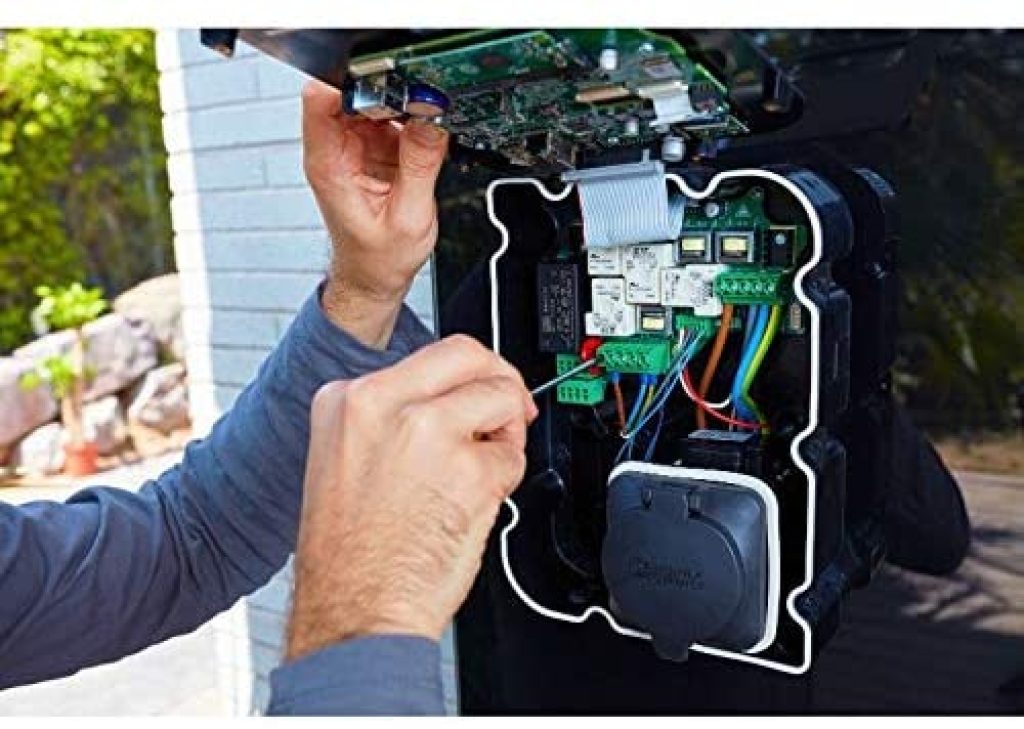
The rapid proliferation of electric vehicles across global markets has exposed a critical infrastructure challenge that extends far beyond the simple provision of charging points. While early electric vehicle adoption was primarily driven by environmental considerations and technological enthusiasm, mainstream acceptance hinges largely on the development of a reliable, accessible, and seamlessly integrated charging ecosystem. The Open Charge Point Protocol (OCPP) has emerged as the cornerstone of this infrastructure evolution, providing the standardized communication framework necessary to ensure interoperability between diverse charging hardware, network operators, and backend management systems. The recent introduction of OCPP 2.1 represents a quantum leap forward in addressing the complex requirements of modern electric vehicle charging infrastructure, incorporating advanced security features, enhanced functionality, and comprehensive support for emerging technologies such as Vehicle-to-Grid (V2G) integration and smart grid connectivity.
The significance of OCPP 2.1 extends well beyond technical specifications, representing a fundamental shift toward creating truly open and competitive charging markets that benefit both consumers and service providers. Unlike proprietary charging networks that lock users into specific ecosystems, OCPP 2.1 enables universal interoperability that allows any electric vehicle to charge at any compliant charging station, regardless of the hardware manufacturer or network operator. This openness fosters innovation by enabling new market entrants to compete on service quality and pricing rather than being constrained by proprietary technology barriers. For electric vehicle owners, this translates to unprecedented freedom and convenience, eliminating the need to carry multiple charging network membership cards or navigate complex roaming agreements between different charging providers. The protocol's robust architecture also ensures that charging infrastructure investments remain future-proof, as stations can be upgraded and enhanced through software updates rather than requiring complete hardware replacement as new features and capabilities are developed.
Advanced Security and Authentication Mechanisms
The evolution from OCPP 1.6 to OCPP 2.1 introduces sophisticated security enhancements that address the growing cybersecurity concerns associated with connected charging infrastructure. As charging stations become increasingly integrated with critical energy infrastructure and financial systems, the potential for malicious attacks and unauthorized access has become a paramount concern for both operators and users. OCPP 2.1 implements comprehensive security measures including Transport Layer Security (TLS) encryption for all communications, robust certificate-based authentication mechanisms, and advanced intrusion detection capabilities that monitor for suspicious activity and automatically implement protective measures when threats are detected. These security enhancements are particularly crucial as charging stations often operate in publicly accessible locations where physical tampering and unauthorized access attempts are more likely to occur.
The protocol's security architecture extends beyond simple data protection to encompass comprehensive identity verification and authorization systems that ensure only legitimate users can access charging services while protecting sensitive personal and financial information. Advanced cryptographic protocols secure payment transactions and personal data exchanges, while blockchain-inspired verification mechanisms ensure the integrity of charging session data and prevent manipulation of usage records or billing information. The implementation of these security measures requires careful coordination between charging station manufacturers, network operators, and backend service providers to ensure that security protocols are consistently applied across all system components. Regular security audits and penetration testing are essential components of OCPP 2.1 deployment, as the distributed nature of charging infrastructure creates multiple potential attack vectors that must be continuously monitored and protected.
Smart Grid Integration and Energy Management
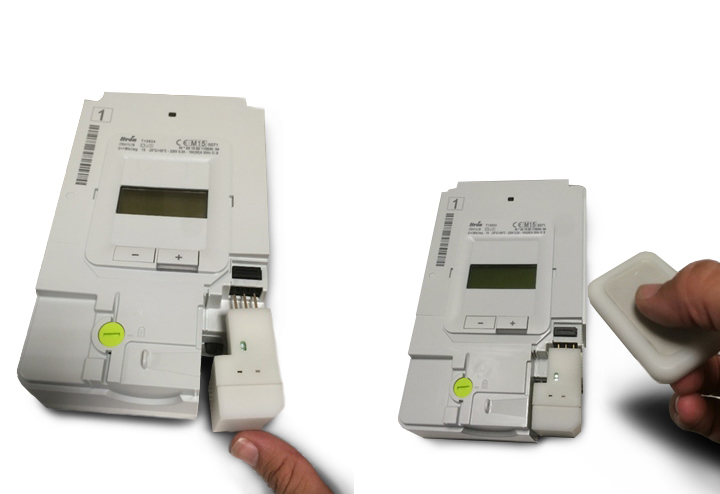
One of the most transformative aspects of OCPP 2.1 lies in its comprehensive support for smart grid integration and sophisticated energy management capabilities that enable charging infrastructure to participate actively in grid stabilization and demand response programs. Traditional charging systems operated as simple energy consumers with limited intelligence or grid awareness, often contributing to peak demand challenges and grid instability during periods of high electric vehicle adoption. OCPP 2.1 fundamentally changes this paradigm by enabling charging stations to communicate directly with grid operators and energy management systems, receiving real-time pricing signals, load balancing instructions, and emergency response commands that allow charging operations to be optimized for both user convenience and grid stability. This intelligent integration creates opportunities for dynamic load management that can shift charging demand to periods of low grid utilization or high renewable energy generation, maximizing the environmental benefits of electric vehicle adoption while minimizing infrastructure stress.
The protocol's advanced energy management capabilities extend to sophisticated load balancing algorithms that can distribute available power capacity across multiple charging sessions while considering user preferences, vehicle requirements, and grid conditions. When multiple vehicles are charging simultaneously at a location with limited electrical capacity, OCPP 2.1 enables intelligent power sharing that ensures all vehicles receive adequate charging while preventing electrical system overloads that could trigger costly demand charges or infrastructure failures. The system can prioritize charging based on various factors including departure times, current battery levels, energy costs, and user-defined preferences, creating an optimized charging experience that balances individual needs with overall system efficiency. Additionally, the protocol supports integration with renewable energy sources and energy storage systems, enabling charging stations to operate as microgrids that can function independently during grid outages while maximizing the utilization of clean energy sources.
Advanced Diagnostics and Predictive Maintenance
The complexity of modern electric vehicle charging infrastructure necessitates sophisticated monitoring and maintenance capabilities that can identify potential issues before they result in service disruptions or safety hazards. OCPP 2.1 introduces comprehensive diagnostic and monitoring features that provide unprecedented visibility into charging station performance, component health, and usage patterns. Real-time monitoring systems continuously collect data on electrical parameters, temperature readings, component wear indicators, and user interaction patterns, creating detailed operational profiles that enable predictive maintenance strategies and proactive issue resolution. This data-driven approach to infrastructure management significantly reduces maintenance costs while improving system reliability and user satisfaction by minimizing unexpected charging station outages and service degradation.
The implementation of advanced analytics and machine learning algorithms within OCPP 2.1 diagnostic systems enables the identification of subtle patterns and anomalies that might indicate developing problems long before they become apparent to human operators. For example, gradual changes in charging efficiency, variations in connector resistance, or unusual temperature profiles can signal impending component failures that can be addressed during scheduled maintenance windows rather than requiring emergency repairs that disrupt service availability. The diagnostic capabilities extend beyond individual charging stations to encompass entire charging networks, enabling operators to identify systemic issues, optimize maintenance schedules, and make informed decisions about infrastructure upgrades and expansion. Remote diagnostic capabilities also enable expert technicians to troubleshoot and resolve many issues without requiring on-site visits, reducing maintenance costs and minimizing service interruptions for users.
Future-Proofing and Technological Evolution
The rapid pace of technological advancement in the electric vehicle and energy sectors necessitates charging infrastructure that can adapt and evolve without requiring complete replacement or major hardware modifications. OCPP 2.1's modular architecture and extensible design principles ensure that charging stations can be enhanced with new capabilities through software updates and modular hardware additions, protecting infrastructure investments while enabling operators to offer cutting-edge services as they become available. This future-proofing approach is particularly important given the substantial capital investments required for charging infrastructure deployment and the long operational lifespans expected for charging stations. The protocol's support for over-the-air updates enables the rapid deployment of new features, security patches, and performance optimizations across entire charging networks, ensuring that infrastructure remains current with evolving industry standards and user expectations.
The extensibility of OCPP 2.1 extends to its ability to integrate with emerging technologies and standards that are still under development, including advanced vehicle-to-everything (V2X) communication protocols, quantum-resistant encryption methods, and next-generation energy storage systems. As electric vehicle technology continues to evolve toward higher charging speeds, bidirectional energy flow capabilities, and autonomous operation, OCPP 2.1 provides the foundational framework necessary to support these advancements without requiring fundamental infrastructure changes. The protocol's support for standardized APIs and integration interfaces also enables seamless connectivity with third-party services and applications, creating opportunities for innovative business models and service offerings that can differentiate charging providers in increasingly competitive markets. This openness and adaptability ensure that OCPP 2.1-compliant charging infrastructure will remain relevant and valuable throughout the transition to fully electric transportation systems.
Economic Impact and Market Transformation
The widespread adoption of OCPP 2.1 is driving fundamental changes in the economics of electric vehicle charging infrastructure, creating new business opportunities while reducing barriers to market entry for both charging network operators and service providers. The protocol's emphasis on interoperability and open standards eliminates the need for proprietary technology development and reduces the technical complexity associated with charging network deployment, enabling smaller companies and regional operators to compete effectively with established players. This increased competition benefits consumers through improved service quality, competitive pricing, and innovative service offerings that differentiate providers based on value rather than technological lock-in. The standardization also reduces development costs for charging hardware manufacturers, as they can focus on optimizing performance and reliability rather than developing unique communication protocols for different network operators.
From an infrastructure investment perspective, OCPP 2.1 compatibility significantly reduces the risks associated with charging station deployment by ensuring long-term viability and vendor independence. Investors and operators can be confident that their infrastructure investments will retain value and functionality regardless of changes in network operators or backend service providers, as the standardized protocol enables seamless migration between different management systems. This reduced risk profile makes charging infrastructure more attractive to institutional investors and enables more favorable financing terms for charging network development projects. The protocol's support for advanced analytics and optimization capabilities also creates opportunities for new revenue streams through grid services, demand response participation, and data monetization, further improving the economic viability of charging infrastructure investments while contributing to overall grid stability and efficiency.