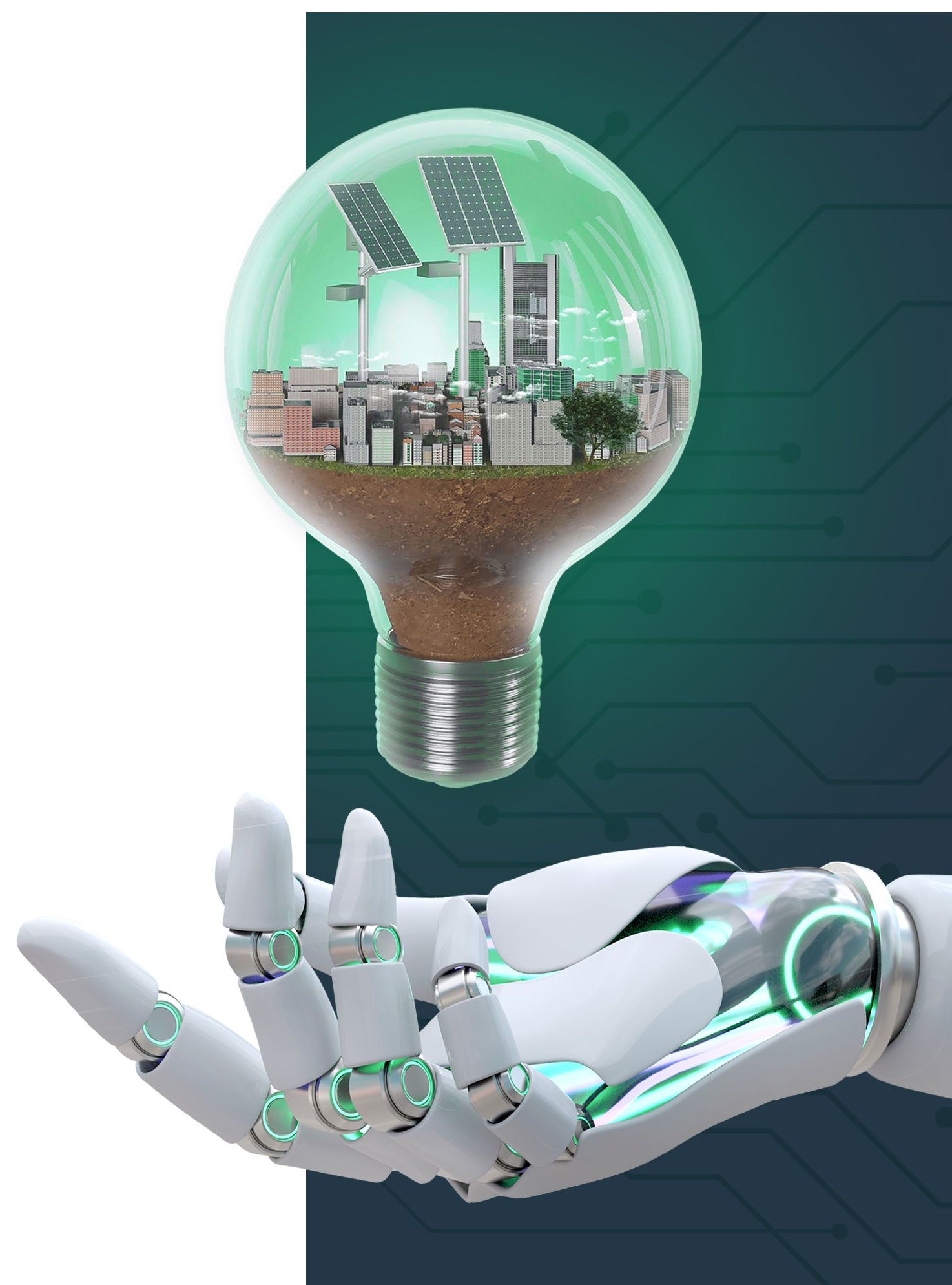
The convergence of artificial intelligence and home energy management represents one of the most significant technological advances in residential energy systems, fundamentally transforming how homeowners interact with, control, and optimize their energy consumption patterns. Traditional home energy management systems relied on simple timer-based controls and basic demand monitoring, offering limited flexibility and requiring constant manual adjustment to achieve meaningful energy savings. Modern AI-driven platforms have revolutionized this landscape by introducing sophisticated machine learning algorithms that continuously analyze household energy patterns, predict future consumption needs, and automatically optimize energy usage across multiple devices and systems in real-time. These intelligent systems go beyond simple automation to provide genuine energy intelligence that adapts to changing household behaviors, seasonal variations, and dynamic energy pricing structures while maintaining optimal comfort levels and minimizing environmental impact.
The sophistication of contemporary AI-driven home energy management systems extends far beyond basic smart thermostat functionality, encompassing comprehensive household energy ecosystems that integrate heating and cooling systems, water heaters, lighting, appliances, renewable energy generation, battery storage, and electric vehicle charging into unified, intelligently managed platforms. Machine learning algorithms continuously process vast amounts of data from multiple sources including smart meters, IoT sensors, weather forecasts, energy market pricing, and user behavior patterns to develop highly accurate predictive models that can anticipate energy needs hours or even days in advance. This predictive capability enables proactive optimization strategies that can pre-cool homes during periods of low electricity rates, schedule appliance operations during optimal renewable energy generation windows, and automatically adjust energy consumption patterns to minimize peak demand charges while maintaining user comfort and convenience preferences.
AI Fundamentals in Residential Energy Management
The foundation of effective AI-driven home energy management lies in sophisticated data collection and processing systems that can simultaneously monitor dozens of energy-consuming devices while analyzing external factors that influence household energy needs. Modern systems employ distributed sensor networks throughout the home, including smart plugs, circuit-level monitoring devices, environmental sensors, and occupancy detectors that provide granular visibility into energy consumption patterns at the individual device level. This comprehensive data collection enables AI algorithms to identify inefficiencies, detect anomalous consumption patterns that may indicate equipment malfunctions, and understand the complex relationships between user behaviors, environmental conditions, and energy consumption across different times, seasons, and household activities. The challenge lies in processing this massive volume of data in real-time while extracting actionable insights that can drive immediate optimization decisions without overwhelming users with unnecessary complexity or information.
The machine learning architectures employed in advanced home energy management systems utilize multiple algorithmic approaches including deep neural networks for pattern recognition, reinforcement learning for optimization strategy development, and ensemble methods that combine multiple predictive models to achieve superior accuracy and reliability. Natural language processing capabilities enable these systems to understand user preferences expressed through voice commands or text interfaces, while computer vision technologies can analyze household occupancy patterns and activities to predict energy needs more accurately. The integration of edge computing capabilities allows much of the AI processing to occur locally within the home, reducing dependence on cloud connectivity while improving response times and protecting user privacy. However, the most advanced systems also leverage cloud-based machine learning platforms to access broader datasets, weather forecasting services, and energy market information that enhance local optimization decisions and enable continuous learning from aggregate user behaviors across thousands of households.

Predictive Analytics and Advanced Load Forecasting
Predictive analytics represents the cornerstone of intelligent home energy management, enabling systems to anticipate future energy needs with remarkable accuracy and optimize consumption patterns proactively rather than reactively. Advanced forecasting algorithms analyze historical consumption data, weather patterns, household schedules, and seasonal trends to develop highly detailed energy load predictions that can extend from minutes to months into the future. These predictions become increasingly sophisticated as systems learn from actual consumption patterns, continuously refining their models to account for changing household behaviors, new appliances, and evolving energy usage patterns. The accuracy of these predictions directly impacts the effectiveness of optimization strategies, as systems must balance energy savings with user comfort and convenience, requiring precise understanding of when and how energy will be needed throughout the household.
The implementation of short-term load forecasting enables real-time optimization decisions such as determining optimal charging schedules for electric vehicles, pre-heating or pre-cooling spaces before occupancy periods, and scheduling energy-intensive activities during periods of low electricity rates or high renewable energy generation. Medium-term forecasting, spanning days to weeks, facilitates strategic planning for seasonal energy needs, maintenance scheduling, and coordination with utility demand response programs that offer financial incentives for reducing consumption during peak demand periods. Long-term forecasting capabilities support investment decisions regarding energy efficiency upgrades, renewable energy system sizing, and battery storage capacity planning that can optimize household energy costs over multiple years. The integration of external data sources including weather forecasts, utility pricing schedules, and grid demand predictions enhances forecasting accuracy while enabling systems to participate in sophisticated energy market strategies that can generate revenue for homeowners through grid services participation.
Smart Grid Integration and Demand Response Optimization
The integration of AI-driven home energy management systems with smart grid infrastructure creates unprecedented opportunities for optimizing energy consumption at both the household and community levels while supporting broader grid stability and renewable energy integration objectives. Modern homes equipped with intelligent energy management systems can participate in sophisticated demand response programs that dynamically adjust household energy consumption based on real-time grid conditions, electricity pricing signals, and renewable energy availability. These systems automatically respond to utility requests for load reduction during peak demand periods, shifting energy-intensive activities to off-peak hours while maintaining household comfort and convenience through intelligent pre-conditioning and load scheduling strategies. The financial benefits to homeowners can be substantial, with well-optimized systems reducing electricity costs by 20-40% while providing additional revenue through participation in grid services markets.
The bidirectional communication capabilities between smart homes and grid operators enable sophisticated coordination strategies that can aggregate thousands of households into virtual power plants capable of providing grid services traditionally supplied by large-scale industrial facilities. Distributed energy resource management allows home energy systems to coordinate renewable energy generation, battery storage charging and discharging, and flexible load operations across entire neighborhoods to maximize renewable energy utilization while maintaining grid stability. Advanced systems can participate in frequency regulation services, voltage support, and peak shaving programs that provide additional revenue streams for homeowners while contributing to overall grid reliability and efficiency. The challenge lies in developing robust communication protocols and cybersecurity measures that can support secure, reliable coordination between millions of distributed energy resources while protecting user privacy and maintaining system reliability under various operating conditions.
Renewable Energy Integration and Storage Optimization
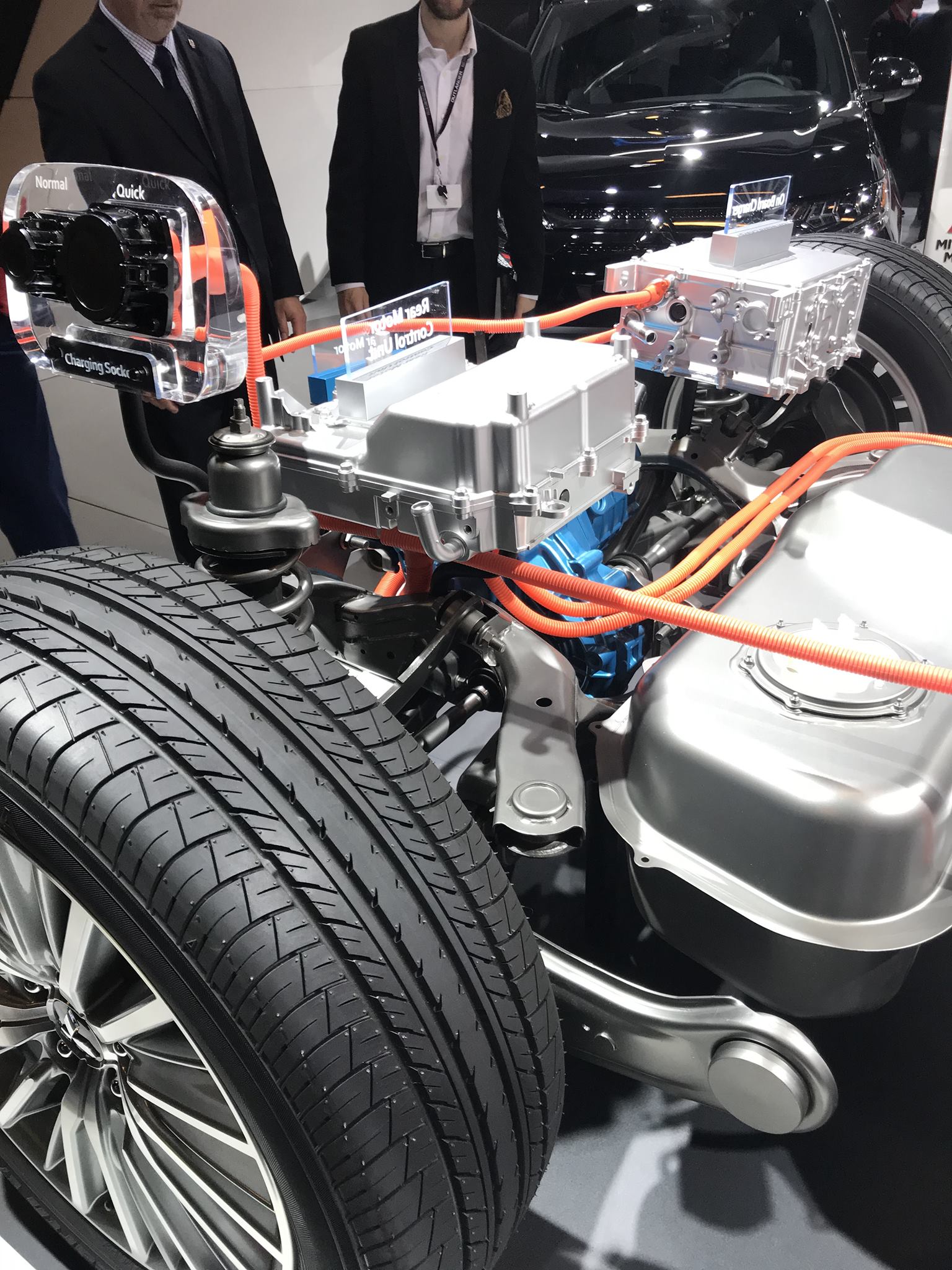
The optimization of renewable energy integration represents one of the most complex and valuable applications of AI-driven home energy management, requiring sophisticated algorithms that can balance multiple competing objectives while managing the inherent variability and unpredictability of solar and wind energy generation. Advanced systems continuously monitor weather conditions, energy generation forecasts, household energy needs, and electricity market pricing to determine optimal strategies for renewable energy utilization, storage, and grid interaction. These systems must make real-time decisions about whether to consume renewable energy directly, store it in batteries for later use, sell it back to the grid, or purchase electricity from the grid based on complex optimization algorithms that consider current and forecasted conditions across multiple time horizons. The financial and environmental benefits of optimal renewable energy management can be substantial, with well-designed systems achieving energy independence levels exceeding 80% while generating positive cash flows through strategic grid energy trading.
Battery storage optimization represents a particularly challenging aspect of renewable energy management, as systems must balance multiple objectives including maximizing renewable energy self-consumption, minimizing electricity costs, providing backup power during outages, and potentially participating in grid services markets. Dynamic programming algorithms analyze thousands of potential charge and discharge scenarios to identify optimal battery operation strategies that account for battery degradation costs, electricity rate structures, renewable energy forecasts, and household energy needs. Advanced systems can coordinate multiple energy storage technologies including battery systems, thermal storage through water heaters and HVAC systems, and even electric vehicle batteries to create comprehensive energy management strategies that maximize overall system value. The integration of weather forecasting and renewable energy production models enables systems to anticipate energy generation patterns days in advance, allowing for strategic battery management that can capture maximum value from variable renewable energy generation while ensuring adequate backup power availability for critical household needs.
Future of Autonomous Energy Systems and Market Integration
The future evolution of AI-driven home energy management systems points toward fully autonomous energy ecosystems that require minimal user intervention while continuously optimizing performance across multiple objectives including cost minimization, environmental impact reduction, comfort maximization, and grid services revenue generation. Emerging technologies including advanced neural networks, quantum computing applications, and sophisticated optimization algorithms promise to enable even more sophisticated energy management strategies that can consider hundreds of variables simultaneously while adapting to changing conditions in real-time. These systems will likely incorporate predictive maintenance capabilities that can identify potential equipment failures before they occur, automatically schedule maintenance activities, and even order replacement parts or schedule service visits without user intervention. The integration of autonomous systems with smart home technologies will enable seamless coordination between energy management and other household systems including security, entertainment, and communication systems to create comprehensive home automation platforms that optimize overall household efficiency and convenience.
The integration of AI-driven home energy systems with evolving energy markets will create new opportunities for homeowners to participate in sophisticated energy trading strategies that can generate significant revenue while supporting broader energy system objectives. Blockchain-based energy trading platforms may enable peer-to-peer energy transactions between households, allowing neighbors to buy and sell renewable energy directly while supporting local energy independence and resilience. Advanced market participation strategies could enable homes to provide sophisticated grid services including synthetic inertia, black start capabilities, and microgrid islanding services that are currently provided only by large-scale industrial facilities. The development of standardized communication protocols and interoperability standards will be crucial for enabling these advanced capabilities while ensuring that systems from different manufacturers can work together effectively. As artificial intelligence capabilities continue to advance, home energy management systems will likely evolve toward truly intelligent energy partners that understand user preferences, anticipate needs, and continuously optimize household energy systems to achieve personalized objectives while contributing to broader community and environmental goals through sophisticated market participation and grid services provision.